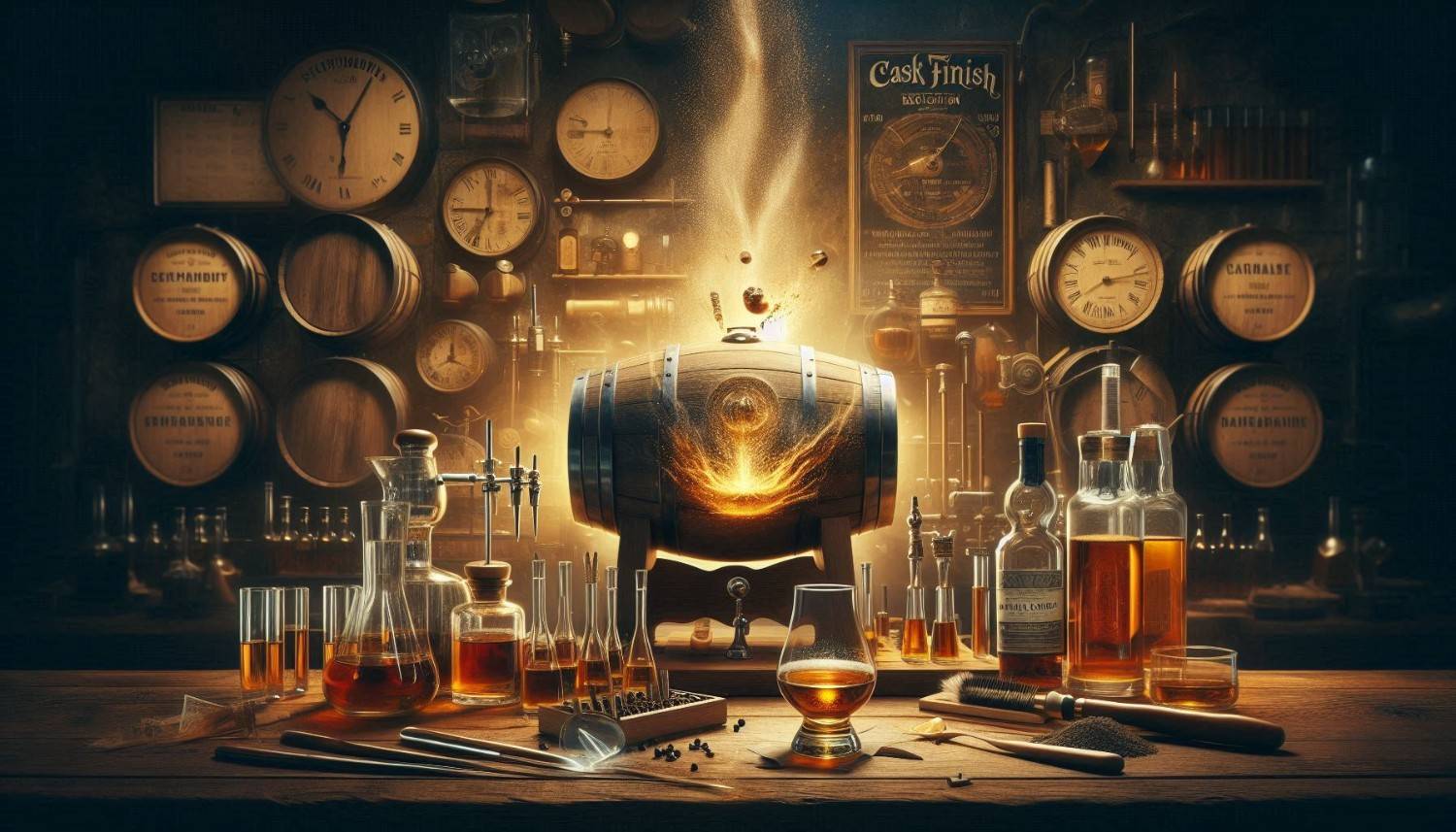
Cask Finish Revolution: How Barrel Experimentation Is Changing Whiskey Forever
Whiskey is undergoing a transformation. Once defined by traditional aging methods, the spirit is now embracing barrel experimentation. This evolution is not just about aging longer but about aging smarter—using different woods, varying barrel sizes, and rotating barrels to create unique flavor profiles. This shift is redefining what whiskey can be, offering enthusiasts a broader spectrum of tastes and experiences.
🔄 The Rise of Barrel Finishing
Barrel finishing involves transferring whiskey from its original aging barrel to a secondary cask that previously held another liquid, such as sherry, port, rum, or even beer. This process imparts additional flavors and complexities to the whiskey, enhancing its character.
The modern era of cask finishing began in the early 1980s when innovators like Balvenie experimented with moving whiskey from American oak barrels to sherry casks for a short period, adding layers of flavor without overwhelming the spirit. This sparked a global trend, with distilleries worldwide adopting and expanding upon the technique.
🌍 Global Innovations in Barrel Experimentation
Distilleries are pushing the boundaries of barrel finishing, experimenting with a variety of cask types and aging techniques:
- > Full Curl Bourbon Whiskey Finished in Scotch Casks - This innovative bourbon undergoes a secondary maturation in Scotch whisky casks, imparting unique flavors that bridge the gap between American bourbon and traditional Scotch whisky. The result is a harmonious blend of rich bourbon sweetness with the nuanced smokiness and complexity characteristic of Scotch casks. It's a standout example of how cask finishing can elevate a whiskey's profile.
- > Maker’s Mark "The Keepers Release" bourbon was finished with American oak staves, resulting in toasted sweetness, stone fruit, cocoa, brown sugar, maple, and a creamy dark chocolate finish.
- > Michter’s Bomberger’s PFG underwent finishing in fine-grained French oak for over 40 months, producing exquisite fruit and spice notes and a creamy mouthfeel.
All of these unique cask-finished whiskies are celebrated for their complexity and artistry, and many are featured in the curated artisan collection on Royal Batch, where whiskey enthusiasts can explore these innovations firsthand.
🔬 Scientific Approaches to Barrel Aging
Some distilleries are combining science with tradition to enhance barrel finishing:
- > Barrel Rotation allows whiskey to absorb flavors from multiple woods and environments, creating a more layered profile.
- > Small Barrel Aging increases wood-to-liquid contact, accelerating maturation and intensifying flavors, especially for craft distillers seeking bold whiskeys in shorter time frames.
These approaches help distillers refine flavor and consistency while still honoring the heritage of their craft.
🧠 The Future of Whiskey: Beyond the Barrel
As consumer palates become more adventurous, distilleries are exploring new frontiers:
- > Native Woods are being used for finishing, imparting unique regional flavors that differ from traditional Scotch or Bourbon profiles.
- > Alternative Spirit Barrels—including wine, sherry, rum, or port casks—continue to add distinct aromas and flavors, elevating the final expression of the whiskey.
This experimentation ensures that each bottle offers a distinctive story and tasting experience.
🥃 Conclusion: A New Era of Whiskey
The cask finish revolution is reshaping the whiskey landscape, offering a diverse array of flavors and experiences. Whether you're a seasoned enthusiast or a newcomer, the evolving world of barrel experimentation invites you to explore and savor the innovations defining the future of whiskey.
Discover these exciting cask-finished whiskeys in the curated collection of artisan spirits on Royal Batch, where tradition meets innovation in every bottle.
 0
0